

SCDES’s Recreational Waters Program has the important responsibility of overseeing public swimming pools, hot tubs, natural swimming areas and waterparks in the state. Public swimming pools are required to comply with safety laws and regulations, specifically South Carolina Regulation 61-51: Public Swimming Pools.
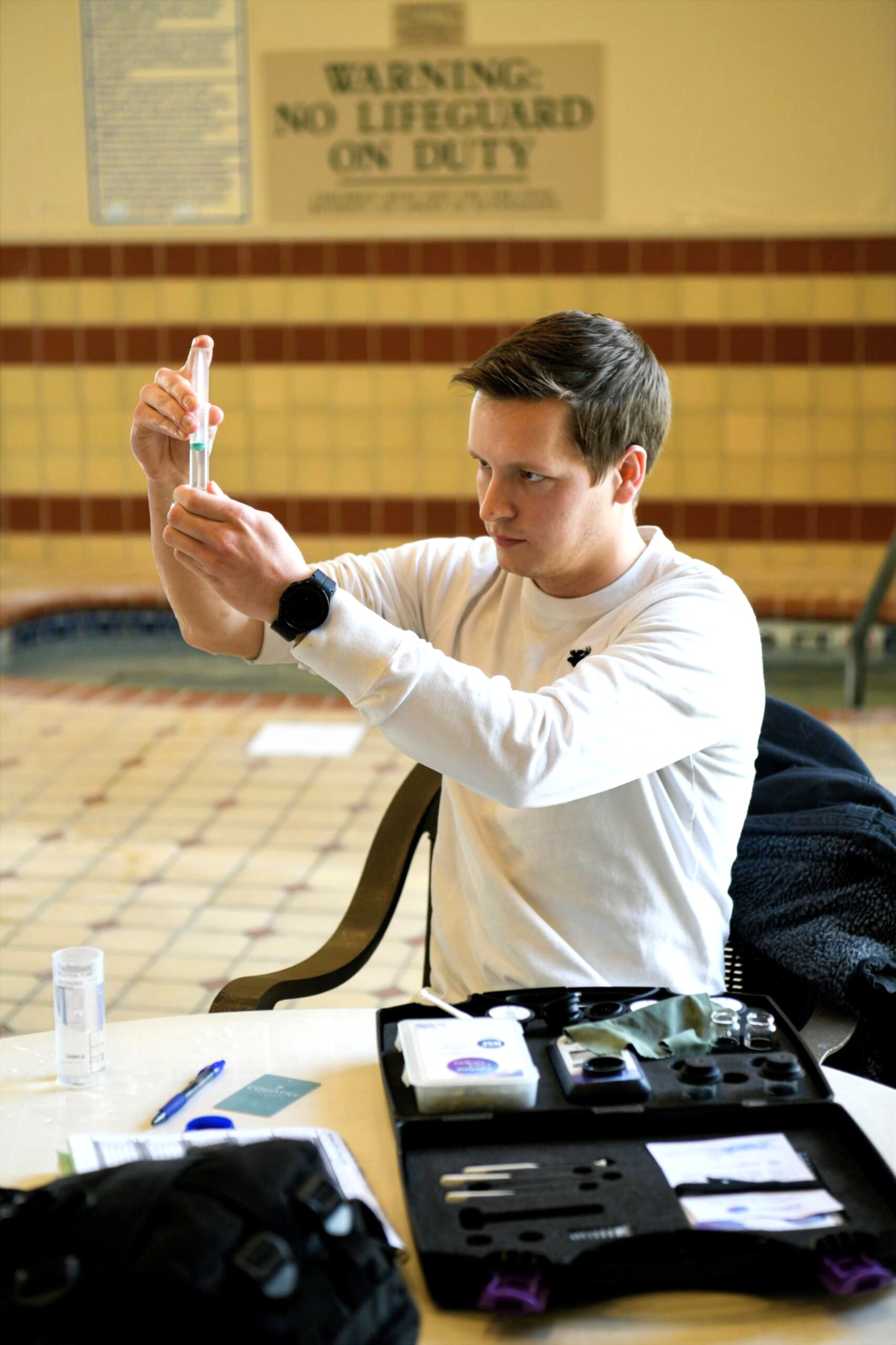
There are many different types of recreational waters, as outlined below. Our Recreational Waters Program doesn’t have oversight of privately-owned pools or hot tubs.
What Types of Recreational Waters are Permitted and Inspected
SCDES has the responsibility to ensure several types of recreational waters meet safety standards, including:
- Public pools
- Waterparks
- Public spas and hot tubs
- Public lazy rivers
- Public kiddie pools
- Natural swimming areas
Permitting
Before a public pool or spa may begin construction, the owner must receive a Construction Permit from SCDES. This helps ensure the pool will be constructed safely and in compliance with R.61-51.
Before a pool may open, the owner must receive a General Operation/Maintenance Permit (Approval to Operate) from SCDES. An operational inspection is performed as part of this process to ensure the pool or spa meets all regulatory requirements and safety standards.
Before any modifications to an existing public swimming pool or spa may be made, the permittee must receive approval from SCDES by submitting a Change Order Request Form. That makes sure the modifications comply with all Department requirements.
Public Pool Inspection Checklists
Inspections are different depending on the type of recreational water. Below outlines our most common type of inspection: public pools.
During public pool inspections, we perform a 34-point checklist review to determine a pool’s compliance with safety standards. These checklist reviews assess for:
- Three chemistry readings for appropriate levels:
- chlorine
- pH
- cyanuric acid
- Required life-saving equipment
- Proper signage
- Perimeter fencing with self-closing gates that latch
- Emergency phone
- Certified Lifeguards (if required by pool type)
- Properly functioning circulation, filtration, and disinfection equipment
- Pool deck is free of hazards
- If required, a lifeline is present and in good repair
As part of our inspections, our inspectors review logs required to be kept by the facility that document the day and time they performed water testing and treatment.
At the end of an inspection, the inspector meets with a facility representative to go over the findings of the inspection report in detail and answers any questions. If deficiencies are identified, the inspector ensures the facility representative understands what actions need to be taken to address the deficiencies.
Some of the most commonly observed violations identified during public pool inspections are chemistry readings that are out of range, damaged or missing signage, and perimeter fencing or gates that may not be fully compliant. Sometimes, violations can be properly addressed by the permittee or on-site representative within a matter of minutes. Other times, our inspectors need to come back at another time to perform a follow-up inspection to ensure the appropriate measures were taken to address the previously identified violations.
Closures and Enforcement
If an inspector identifies serious violations that could cause injury, they could authorize an emergency closure of the pool or spa. The closure can last a short time or could last days or weeks — it depends how long it takes the permittee to address the violations. Once the permittee has taken the required actions, they contact SCDES, and a pool inspector will revisit the facility and perform a follow-up inspection. The pool can be reopened if it is compliant.
The agency may take enforcement actions against a permittee for various reasons, including repeated violations of their pool or spa. Enforcement actions may result in the issuance of a Consent or Administrative Order and a penalty. The ultimate goal is to ensure all pools and other types of recreational waters are operating in compliance with the laws and regulations that keep people safe.
Frequency of Inspections
During the summer months May-August, SCDES inspects recreational waters at least twice. Additional follow-up inspections may be required depending on the findings of the routine inspection.
During the offseason September-April, recreational waters are inspected once a quarter.
Our Pool Inspectors
SCDES has 30 seasonal pool inspectors who travel the state, performing hundreds of inspections a week at all types of facilities to ensure the public has clean, safe recreational waters to enjoy.
Our pool inspectors undergo annual certification and training through a comprehensive program known as “Pool School.” This two-day training session provides an in-depth review of all applicable regulations and includes a detailed discussion of the 34-item inspection checklist. Inspectors are then evaluated on their ability to accurately use pool meters, ensuring proper techniques and precise readings in collaboration with SCDES Laboratory staff. Each inspector receives a copy of the regulations and the Standard Operating Procedures (SOP) to keep on hand at all times.
Report a Concern
If you have a concern or complaint about the conditions of a public pool or spa, you can report it to SCDES using our ReportIt! online tool or contacting your local SCDES office.