

Back to All News
 Back to All News
‘SepticSmart Week’ Highlights Importance of Proper Septic System Care
FOR IMMEDIATE RELEASE:
Sept.11, 2026
COLUMBIA, S.C. — The S.C. Department of Environmental Services (SCDES) is recognizing SepticSmart Week to raise awareness about the importance of properly installing, using and maintaining septic systems.
South Carolina’s recognition of SepticSmart Week aligns with the U.S. Environmental Protection Agency’s (EPA) national SepticSmart initiative, which encourages homeowners to properly care for their septic systems. When properly installed and maintained, septic systems safely treat household wastewater. A malfunctioning system can contribute to back-ups or overflows, which can pose risks to people and the nearby environment.
“Septic systems serve thousands of households across South Carolina, and we want homeowners to know how important it is to properly care for their systems,” said Ashley Pritchett, program manager with SCDES’s Onsite Wastewater Program. “Regular maintenance can help homeowners avoid costly problems while also reducing the potential for failing systems to impact public health and the environment.”
Approximately 30% of South Carolina households rely on septic systems to treat and dispose of household wastewater. As the state continues to experience population growth and development, demand for onsite wastewater systems has also increased significantly. SCDES received 19,880 applications for individual septic systems in 2025-2026, compared with 7,456 applications in 2010-2011 — an increase of approximately 167%.
SCDES issues permits for the installation of onsite wastewater systems (commonly known as septic systems) in accordance with State Regulation 61-56. Before issuing a permit, SCDES evaluates the proposed site and system to determine whether it meets applicable state environmental and public health requirements. Once a system is installed, property owners are responsible for its ongoing care and maintenance.
A typical septic system consists of a tank and drain field that work together to treat and dispose of household wastewater through a combination of physical, biological and natural soil processes. Proper maintenance can extend the life of a system and help prevent groundwater and surface water pollution.
“One of the most important things homeowners can do is understand how their septic system works before there is a problem,” Pritchett said. “Knowing where your system is located, keeping up with routine maintenance and being mindful of what goes down your drains are simple steps that can make a significant difference in how well the system performs over time.”
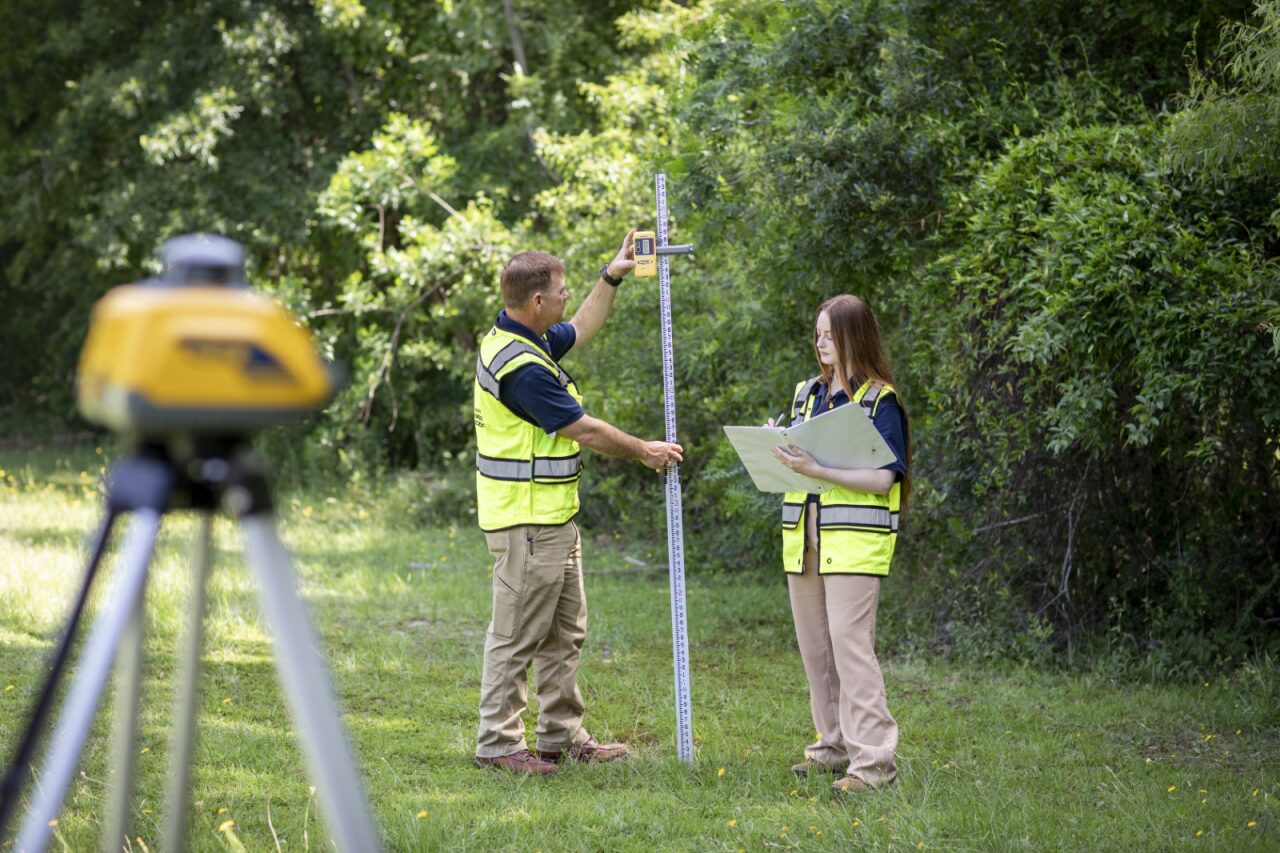
Before SCDES issues a septic tank permit, the proposed site is thoroughly assessed to make sure it can properly support a septic tank system in compliance with state environmental and public health requirements. Here, David Vaughan and Anna Lane with SCDES's Onsite Wastewater Division measure a potential septic tank site.
SCDES encourages septic system owners to:
- Have their septic system inspected every one to two years and pumped every three to five years, or more frequently depending on tank size and household use.
- Flush only human waste and toilet paper and avoid putting wipes, grease, chemicals and other inappropriate materials down household drains.
- Know the location of the septic system and drain field and maintain records of inspections, pumping and other maintenance.
- Conserve water to avoid overloading the system.
- Keep vehicles, structures and other heavy objects off the drain field.
While SCDES doesn’t perform routine operation and maintenance inspections of septic systems and only conducts complaint-based investigations, the agency provides information to help property owners find qualified septic system professionals, understand the permitting process and properly maintain their systems. Maintenance checklists, permitting information, contractor resources and additional guidance are available at des.sc.gov/septic.
Property owners considering purchasing land for a home that will use a septic system are also encouraged to learn about the onsite wastewater permitting process and site requirements before purchasing or developing the property.
South Carolina’s SepticSmart Week follows EPA’s nationwide SepticSmart initiative, which provides educational resources to homeowners and communities about properly caring for and maintaining septic systems. Additional information is available at epa.gov/septic/septicsmart.
###